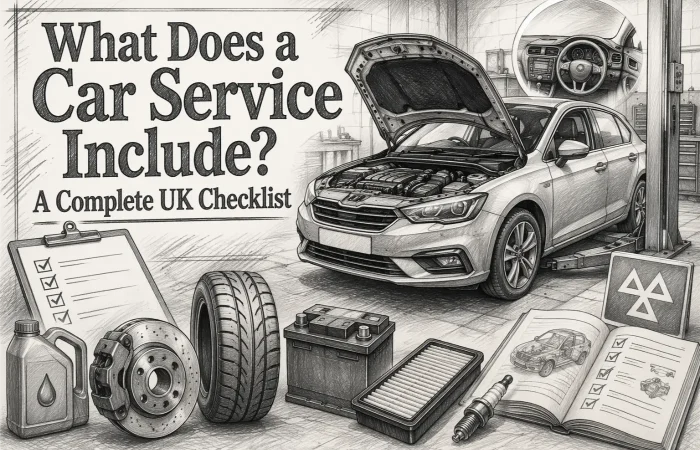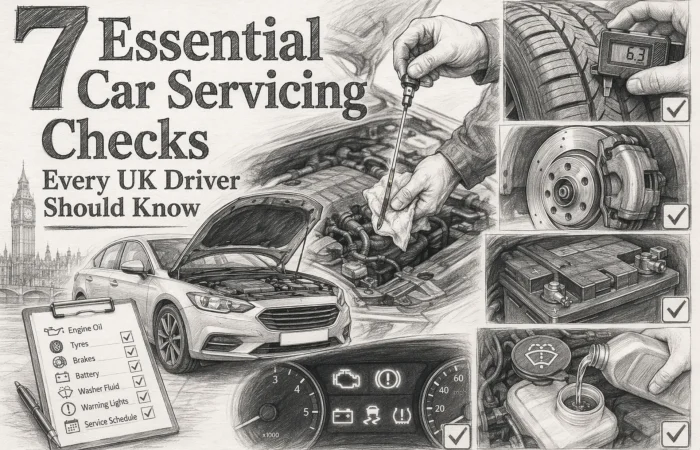
Quick Summary: Regular maintenance, following your car’s specific schedule, is key to reaching high mileage and staying reliable. Check and replace fluids, tyres and filters often, especially as your car ages. Do not rely solely on MOTs, because they only confirm minimum roadworthiness standards at the time of the test, not overall mechanical health. Address warning lights and unusual noises promptly to help avoid larger repair bills later.
A car service will ensure that your vehicle remains safe, reliable, and easy to maintain as it gets older.
This car servicing guide has been created to give you all of the information you need about booking a car service. It also includes details regarding what is included in a car service. If you have never had your vehicle serviced before, then you may be unsure whether a car service and MOT test are the same. The car servicing guide will answer both questions for you and provide further information on the two tests.
A.M. Engineering carries out a variety of services, including general servicing, diagnostic work, repairs, and MOT testing from its base at Bromsgrove. The purpose of this car servicing guide is to assist you in determining which level of servicing you require based upon your vehicle’s mileage and how you use your vehicle.
Table of Contents
What Is a Car Service?
A regular car service is intended as routine (planned) preventative maintenance on your vehicle. Its purpose is to visually inspect for signs of deterioration in those components that will eventually need to be replaced or serviced; replace them at this time if needed, check the fluids in the vehicle, and identify potential problems early enough that they do not become costly repair bills or breakdowns.
Manufacturer service intervals, including what needs to be done during each interval, should always be referenced from your owner’s manual or digital service history prior to scheduling any service.
Service of your vehicle on a routine basis will help it operate better than without it. Service will increase the lifespan of your vehicle. It will give you less anxiety about the overall reliability of your vehicle.
Additionally, when performing a service inspection on your vehicle, it provides an opportunity to have certain aspects of your vehicle’s operation checked, which may affect its safety. Examples include: Brake System, Tire Condition, Suspension and Steering.
The Main Types of Car Service
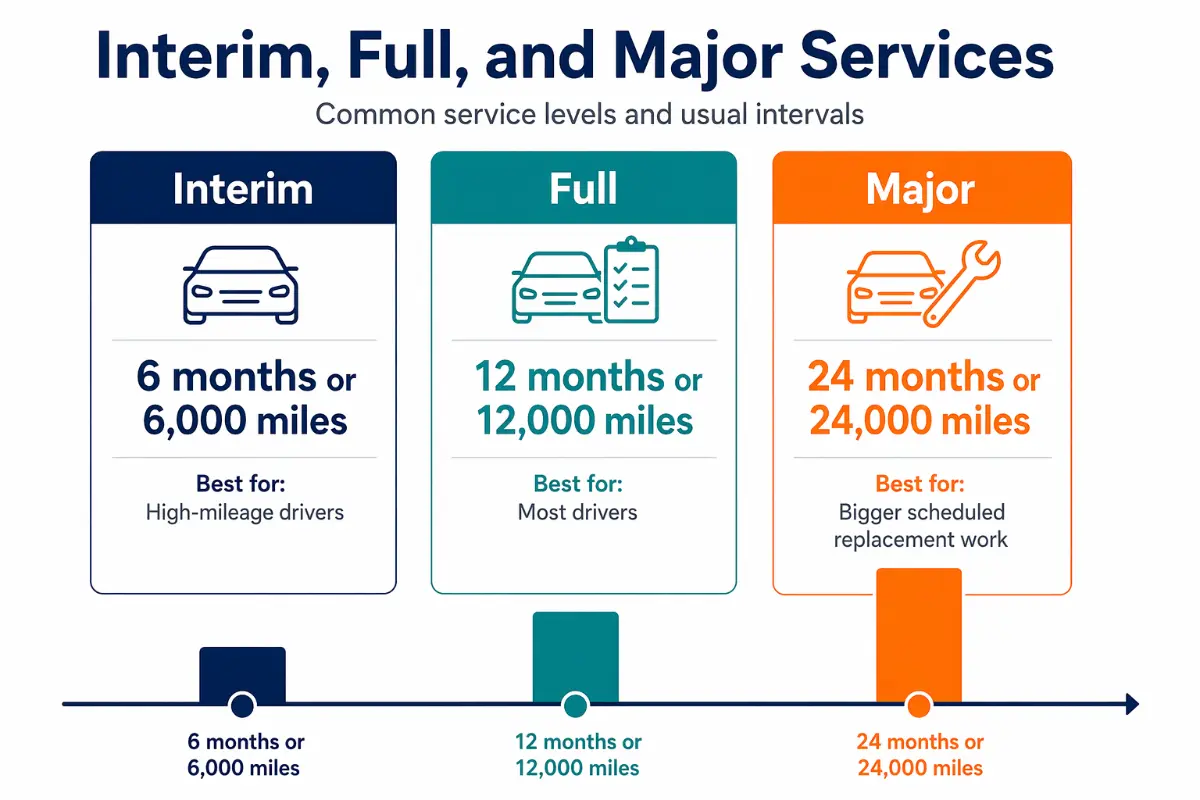
The three most common services that are available for a vehicle are an Interim Service (Lighter Service), Full Service and Major Service. The amount of service needed typically relies on either the number of miles traveled, the year of manufacture, the service book/digital service record, or the service schedule from the manufacturer.
| Service type | Usual interval | Best for |
|---|---|---|
| Interim | 6 months or 6,000 miles | High-mileage drivers |
| Full | 12 months or 12,000 miles | Most drivers |
| Major | 24 months or 24,000 miles | Bigger scheduled replacement work |
Interim Service
There are two types of interim services. This type of service is used for those who travel extensively or would like to check their vehicle’s systems between annual services. Manufacturers recommend performing an interim service on vehicles approximately every six thousand miles, depending on how they are driven.
The primary focus of this service is checking the condition of the engine oil and filter, the condition of the brakes, tires, lights and any obvious leaks. An interim service provides an opportunity to perform routine maintenance on a vehicle while providing peace of mind knowing that the vehicle is operating safely.
Full Service
A full service is an annual service that is very similar to an interim service; however, it is a more in-depth service. For owners who drive their vehicles regularly and do not need to replace parts based on mileage, a full service is generally the best option.
A full service may include replacing engine oil and oil filters, inspection of the air filter, cooling system, brake fluid level and battery condition. Also inspected during a full service are tire tread depth, brake pad thickness, shock absorber/spring condition, steering components and overall general condition of the vehicle.
Major Service
A major service is essentially a full service with additional work added to address items that should be replaced by time or mileage. These could include replacement of spark plugs, fuel filters on certain vehicles, new brake fluid, etc.
Typically, a major service is performed when a large mileage milestone is reached or if there has been missing information in previous service records.
What’s included in a car service?
The service will be different based on what type of vehicle you have (your make/model), your vehicle’s age and the manufacturer’s guidelines. A good rule of thumb to use as an example of what should be checked in most vehicles during an average maintenance service would be the following.
- Change the engine oil and replace the oil filter.
- Check/replace air filters if they are dirty. Check cabin filters if present.
- Inspect brake system. Include checking pad thickness, disc surface condition and brake fluid condition.
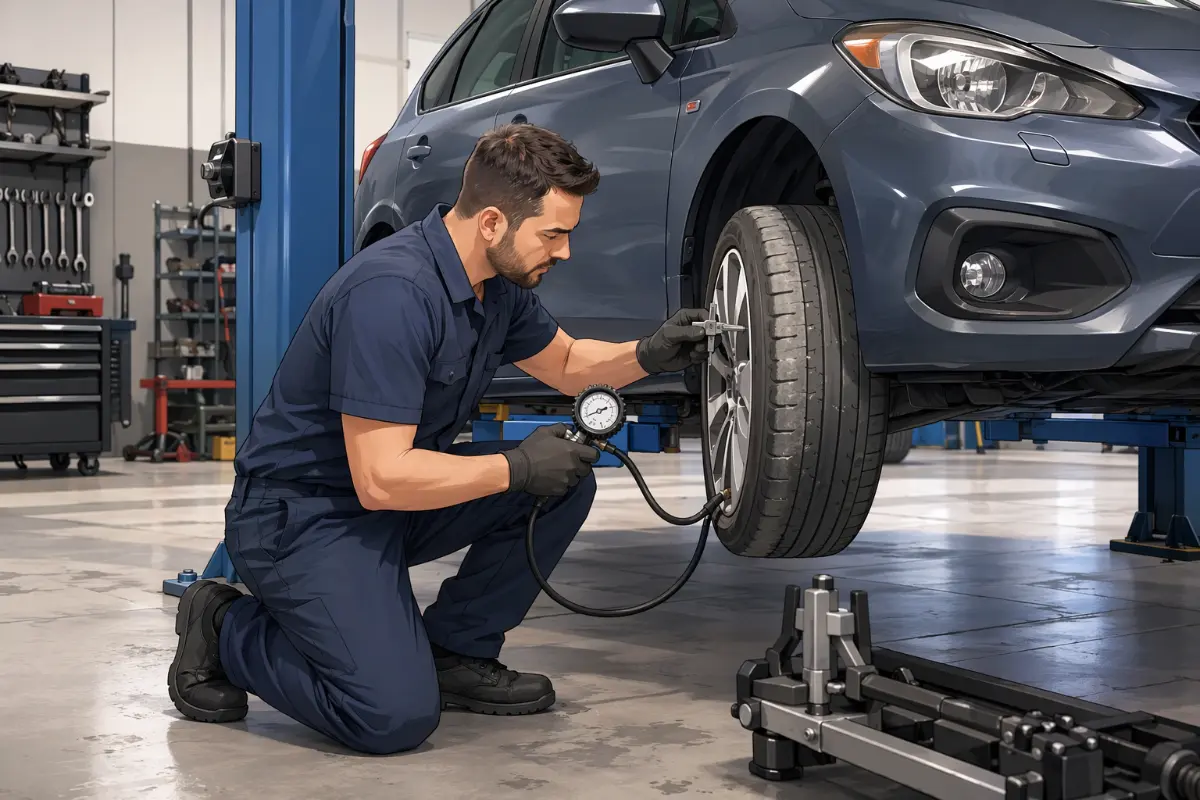
- Inspect tires. Check tire pressures, look for excessive tread wear and inspect for uneven wear.
- Inspect suspension and steering systems.
- Check levels of all fluids (coolant, power steering, etc).
- Check battery, headlight/windshield washer function, turn signals and wipers.
- Do a visual inspection of the vehicle for signs of leaks, damage or rust/corrosion.
Some service packages will come with additional services such as a road test and diagnostic testing as necessary.
Service vs MOT: what is the difference?
An MOT and a service are different. An MOT is a compulsory roadworthiness inspection by law, which occurs at a specific date and time, whilst a Service is mechanical servicing to slow down (wear) parts and to prevent potential faults. The DVSA Guidance states that the MOT will determine if your vehicle complies with the minimum legal requirements for the day it was tested, NOT whether or not the vehicle is mechanically perfect.
You may pass an MOT but still need a service, as there is no requirement to conduct a service prior to an MOT. Conversely, you could have a perfectly maintained vehicle fail the MOT due to something reaching the legal limits (in terms of safety).
As many owners find booking an MOT and Service at the same time convenient and provides clarity as to how their vehicle is performing, we encourage all customers to take advantage of this service. Customers can find information about MOT regulations via www.gov.uk/DVSA.
At A.M. Engineering, we are a DVSA-approved MOT Testing Centre for Classes 4, 5 & 7 Vehicles. If you would like us to arrange both an MOT Test and a service for your vehicle, we can provide this service from our Bromsgrove Workshop.
How Often Should You Service Your Car?
Most vehicles will require regular servicing, whether it’s an annual service or based on mileage – whichever comes first. Manufacturers have traditionally specified that vehicle servicing would occur approximately annually, 10,000-12,000 miles; however, each vehicle’s service requirements are dependent upon its engine type, lubrication grade and driver usage/condition. Therefore, no matter what your vehicle manufacturer has suggested, your own specific service history should take precedence, as different engine types and usage conditions can vary significantly.
If you’re driving for short distances frequently (i.e., using start-stop traffic), you’ll likely need to have your vehicle serviced more regularly than if you were completing long distance journeys. This may warrant an additional “interim” service being completed every six months.
Alternatively, depending on how many miles per year you complete, a standard twelve-monthly service may suffice; nonetheless, time will have affected the condition of all lubricants/fluids, the braking system components, filters, etc.
Signs Your Car Needs Attention Sooner.
Sometimes a car needs a service before the next planned date. Signs your car needs attention sooner can include:
- Warning lights on the dashboard
- Unusual engine noise
- Poor braking or a soft brake pedal
- Uneven tyre wear
- Knocks from the suspension
- Reduced performance or poor fuel economy
- Fluid leaks or strong smells
If your car is running differently, it is worth getting it checked rather than waiting. Servicing to ensure the car is safe is usually cheaper than leaving wear to develop into a larger repair.
How to Choose the Right Service
If you are unsure which type of service to book, look at four things:
- Your last car service and full service history
- Your current mileage
- The service book or digital service record
- How the car is used day to day
For example, purchasing a used vehicle that has a spotty history could necessitate a complete servicing (or major service) at earlier intervals. If all you want is to have some type of inspection between longer time intervals, then an intermediate service might be sufficient.
This Service Guide will provide information as to how these two services differ; however, if after reading this you continue to feel uncertain about which service best meets your needs for your vehicle, please do not hesitate to call us prior to scheduling an appointment.

Can You Service Your Own Car?
Yes, you can service your own car for basic maintenance jobs if you have the right tools and knowledge of how to perform them safely in a workshop environment.
Many owners do their own servicing of cars at home when they need to complete something simple like check tyre pressure, top up a fluid level, or replace an air filter. However, most modern vehicles will require the correct type of oil to use, proper disposal of used fluids, resetting of all necessary systems and documentation of completion.
If you are going to do your servicing yourself, then don’t try to overstep the bounds of a basic service. Many drivers consider using a workshop to be a safer method than attempting diy especially when warranty conditions or special techniques may apply.
Frequently Asked Questions
The number of services many cars require will depend on the manufacturer's recommended service intervals and the total mileage covered since the vehicle was last serviced.
Many cars benefit from a full service annually, but vehicles that are used heavily, cover high mileage, or are driven in demanding conditions may benefit from more frequent checks and servicing.
The cost of a car service depends on the make and model of the vehicle, engine size, oil grade, parts required, labour rate, and the type of service being carried out.
As a general UK guide, an interim service can start from around £100 to £180, a full service can start from around £180 to £300, and a major service can start from around £250 to £450.
These figures can vary significantly depending on the specific vehicle, the specification of oil used, and any additional parts or work required. It is always best to request an exact quote based on your vehicle registration and mileage.
The time required for a service depends on the type of service, the condition of the vehicle, and whether any faults are identified during the inspection.
A basic oil and filter service will usually take less time than a more comprehensive service involving additional checks, replacements, and inspections.
As a rough guide, an interim service may take around 1 to 2 hours, while a more extensive service may take around 2 to 4 hours. This can vary depending on the garage and the vehicle being serviced.
No. A car service and an MOT are not the same thing.
Car servicing refers to maintenance work carried out on the vehicle, while an MOT is an independent test of roadworthiness and legal compliance. Many motorists choose to book their service and MOT at the same time for convenience.
Yes. A full service history shows the maintenance work that has been carried out on the vehicle over time.
This can help with diagnosing current or future issues, and it can also be valuable when selling a used vehicle. A well-documented service history can support the vehicle's condition and may help protect its resale value.
Your Next Step
If you want easy-to-understand advice and all of the information you need to choose the best service option for your vehicle, have your vehicle inspected by A.M. Engineering. Our company provides services in servicing, repair, inspection, diagnosis and MOT testing at Unit 7a, Saxon Business Park, Hanbury Road, Bromsgrove, B60 4AD.
Whether you need a full service, interim service or major service, brake checks, tyre checks or want to book a car service online after speaking to the team, call 01527 833748 or email info@amengineering.co.uk. We will explain what the service includes, what your car needs next, and help keep your car safe and reliable.